
Interiors Beyond Aesthetics: Designing for Functionality
In the realm of interior design, aesthetics often take center stage, but the true essence of a well-designed space lies in its functionality. Designing interiors that prioritize usability, practicality, and efficiency is the key to creating environments that not only look good but also enhance daily living. Let’s explore the art of designing for functionality and how it transforms spaces into seamless, purposeful, sell your furniture on consignment and livable havens.
- Understanding User Needs
The foundation of functional design lies in understanding the needs of the people who will use the space. Whether it’s a home, an office, or a public area, considering the activities, routines, and habits of the occupants is essential to crafting a functional layout.
- Space Planning with Intent
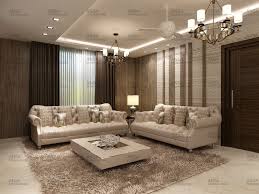
Space planning is the heart of functional design. It involves strategically placing furniture, fixtures, and elements to optimize flow and functionality. Thoughtful arrangements ensure that spaces are efficient and conducive to their intended purpose.
- Ergonomics in Design
Ergonomics is the science of creating environments that work harmoniously with human movement and behavior. Furniture that supports proper posture, countertops at the right height, and well-positioned lighting are all examples of how ergonomic considerations enhance functionality.
- Designing for Accessibility
A functional space is an inclusive space. Designing with accessibility in mind ensures that people of all abilities can navigate and use the environment comfortably. This can involve features like ramps, wider doorways, and accessible bathroom fixtures.
- Efficient Storage Solutions
Effective storage is a cornerstone of functional design. Well-planned storage solutions help reduce clutter, maximize space, and contribute to an organized and efficient lifestyle. Built-in shelving, hidden storage compartments, and multifunctional furniture are excellent options.
- Zoning for Different Activities
Creating zones within a space allows for different activities to coexist seamlessly. In a kitchen, for example, separate areas for cooking, dining, and socializing ensure that each activity has its dedicated space.
- Natural Light and Ventilation
Designing for functionality goes beyond physical layout. Incorporating ample natural light and proper ventilation contributes to the well-being and comfort of occupants. Well-lit spaces enhance productivity and reduce energy consumption.
- Thoughtful Traffic Flow
Traffic flow is about designing pathways that naturally guide people through a space. Minimizing obstructions and designing clear pathways help avoid congestion and create a sense of ease in moving around.
- Multifunctional Furniture
In smaller spaces or areas with multiple functions, multifunctional furniture shines. Sofa beds, foldable tables, and nesting stools are ingenious solutions that maximize utility without sacrificing aesthetics.
- Technology Integration
In the digital age, integrating technology seamlessly is a functional consideration. Incorporate charging stations, smart home features, and ergonomic work setups to enhance convenience and efficiency.
- Durability and Maintenance
Functionality extends to the longevity of the design. Selecting durable materials that withstand wear and tear ensures that the space remains functional for years to come. Additionally, considering ease of maintenance reduces the effort required to keep the space in good condition.
- Flexibility and Adaptability
Designing for functionality involves an understanding that needs can change over time. Creating spaces that are flexible and adaptable allows for adjustments as circumstances evolve.
While aesthetics capture attention, functionality captures hearts. Designing interiors that prioritize usability, efficiency, and comfort transforms spaces into living, breathing entities that cater to our needs. The true beauty of functional design lies in its ability to seamlessly integrate form and purpose, enhancing our everyday experiences and enriching our lives. It’s the marriage of aesthetics and usability that makes a space not only visually pleasing but also deeply satisfying to inhabit—a true testament to the art and science of interior design.