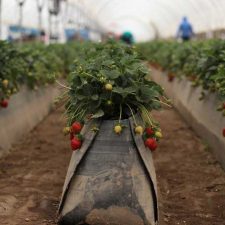
In the world of agriculture, the choice of growing medium can significantly impact crop health and yield. Substrates, also known as growing media or soilless mediums, have become increasingly popular in modern agriculture due to their versatility, consistency, and ability to address various environmental and space constraints. In this article, we’ll explore the role of substrates in agriculture, their types, benefits, and their impact on the future of farming.
For more information regarding hydroponic plant one can visit our site https://hydroponicglobal.com.au/.
What Are Substrates in Agriculture?
Substrates are materials used to support and nourish plant roots when growing plants in a controlled environment, such as greenhouses, hydroponic systems, or container gardening. Unlike traditional soil, substrates are often soilless and consist of a mixture of organic and/or inorganic components that provide physical support, aeration, and a suitable environment for root development.
Types of Substrates
Several types of substrates are used in agriculture, each with its unique characteristics and suitability for different growing conditions:
1. Peat-based Substrates: These are composed primarily of peat moss and are known for their high water retention capacity. Peat-based substrates are commonly used in horticulture but have raised environmental concerns due to peat extraction’s impact on peatlands.
2. Coir-based Substrates: Coir, derived from coconut husks, is an organic alternative to peat moss. Coir-based substrates are renewable, have good water retention, and are pH-neutral.
3. Vermiculite and Perlite: Vermiculite and perlite are lightweight, inorganic substrates known for their excellent aeration properties. They are often used in seed starting and container gardening.
4. Rockwool: Made from volcanic rock, rockwool is a popular choice in hydroponics. It provides excellent water and air retention and can be custom-tailored for specific crops.
5. Coco Coir: Coco coir, made from coconut fiber, is an increasingly popular substrate due to its sustainability and water retention capacity. It is often used in hydroponic and container gardening systems.
6. Hydroton (Expanded Clay Pebbles): These are lightweight, pH-neutral clay pebbles used in hydroponic and aquaponic systems. They provide good drainage and aeration.
7. Sand and Gravel: In some cases, sand and gravel can be used as substrates, particularly in large-scale outdoor farming and certain hydroponic systems. They provide excellent drainage but may lack nutrients.
Benefits of Using Substrates in Agriculture
The use of substrates in agriculture offers several benefits:
1. Precision Control: Substrates allow growers to have precise control over the growing environment, including water retention, aeration, and nutrient levels.
2. Improved Disease Management: Soilless substrates reduce the risk of soil-borne diseases and pests, leading to healthier crops.
3. Optimized Resource Use: Substrates can improve water and nutrient efficiency, reducing waste and environmental impact.
4. Versatility: Substrates are adaptable to various growing systems, from container gardening to hydroponics and vertical farming.
5. Space Efficiency: Substrates enable agriculture in constrained spaces, such as urban environments or greenhouses.
Applications of Substrates in Agriculture
Substrates find applications in a variety of agricultural practices:
1. Greenhouse Cultivation: Greenhouses often use substrates to maximize control over growing conditions and optimize crop production.
2. Container Gardening: Home gardeners and urban farmers use substrates in containers or raised beds to grow vegetables, herbs, and ornamental plants.
3. Hydroponic Systems: Hydroponic systems rely on substrates to support plant roots while delivering water and nutrients directly to them.
4. Vertical Farming: Substrates play a crucial role in vertical farming systems, enabling crops to be grown in stacked layers without soil.
5. Nursery and Seed Starting: Substrates are commonly used for seed starting in nurseries to provide young plants with optimal conditions for germination and early growth.
Challenges and Considerations
While substrates offer numerous advantages, there are some challenges and considerations:
1. Nutrient Delivery: Substrates may lack essential nutrients, necessitating the addition of fertilizers or nutrient solutions in some cases.
2. Environmental Impact: The choice of substrate materials can have environmental implications. For example, the extraction of peat moss has raised concerns about peatland preservation.
3. pH Management: Monitoring and adjusting the pH of substrates is essential to ensure optimal nutrient uptake by plants.
4. Salinity Buildup: Over time, substrates can accumulate salts, affecting plant health. Regular leaching or flushing may be required.
5. Substrate Composition: The composition and quality of substrates can vary, and growers must choose substrates that match their specific crops and growing conditions.
The Future of Substrates in Agriculture
As the global population grows, and urbanization increases, the demand for efficient and sustainable agriculture practices continues to rise. Substrates are poised to play a crucial role in addressing these challenges by enabling the cultivation of crops in diverse settings, including urban environments, arid regions, and controlled indoor facilities.
Future developments in substrate technology may focus on improving sustainability, enhancing nutrient delivery, and minimizing environmental impact. Researchers are also exploring new materials and innovative designs for substrates to further optimize crop growth and resource efficiency.
In conclusion, substrates have become integral to modern agriculture, offering a versatile and sustainable alternative to traditional soil-based farming. As we navigate the complex challenges of feeding a growing global population while preserving our environment, substrates stand as a testament to human ingenuity in cultivating crops from the ground up, with an eye toward a more sustainable and food-secure future.