Comforting A Dying Dog: Supportive Measures And Tips


If you have a dog that is nearing the end of its life, it can be an incredibly difficult time for both you and your furry friend. It’s important to remember that while we may not be able to cure their illness, we can still provide them with comfort and support during this challenging time. By taking certain measures, you can help ensure that your dog passes away peacefully and with dignity.

When it comes to comforting a dying dog, there are two main areas to focus on: providing physical comfort and relief from pain, as well as offering emotional support. In terms of physical comfort, there are a number of things you can do to make your dog’s last days more comfortable. This may include adjusting their environment so they have easy access to water and food, creating a cozy space for them to rest in, or administering medication if needed. Additionally, emotional support is crucial during this difficult time – showing your dog love and affection can help ease their anxiety and stress levels.

Providing Comfort and Pain Relief

You can ease your furry friend’s pain and provide them with the care they need during this difficult time. One way to do this is through massage therapy. Gentle massage can help relax your dog’s muscles, improve their circulation, and reduce their anxiety. You can use long strokes and circular motions on areas such as their back, neck, and legs. However, be sure to avoid any painful or sensitive areas.

In addition to massage therapy, end of life care for your dog may also include providing pain relief medication prescribed by a veterinarian. Some signs that your dog may be experiencing pain include changes in appetite or behavior, restlessness, panting or whining, and difficulty walking or standing up. Monitoring these symptoms closely can help you determine when it is appropriate to give medication to alleviate discomfort. Remember that always consult with a vet before giving any kind of medication to your pet.

With proper end of life care in place, you can now focus on offering emotional support to your beloved companion.

Offering Emotional Support

Providing emotional support to your furry companion during this difficult time can make all the difference in their remaining days. Just like humans, dogs experience a range of emotions such as fear, anxiety, and sadness when they know that their time is coming to an end. As a pet owner, it’s important to understand how you can help them cope with these feelings.

One practical advice that you can follow is to stay calm and composed around your dog. Dogs are incredibly perceptive creatures and can sense emotions through body language and tone of voice. By staying positive and relaxed, you’re creating a safe space for them where they feel loved and cared for. Additionally, spending quality time with them by playing their favorite games or taking them on gentle walks can provide a much-needed distraction from their illness. Remember that every dog is unique so it’s important to find coping strategies that work best for your furry friend.

Conclusion

In conclusion, providing comfort and support to a dying dog is essential in ensuring they have a peaceful passing. By offering pain relief medication and addressing any discomfort or symptoms, you can help ease their suffering. It’s also important to provide emotional support by staying with your pet and showing them love and affection during their final moments.

Remember to keep your pet comfortable by providing soft bedding, keeping them warm, and offering water if they are able to drink it. Don’t hesitate to reach out for professional help from a veterinarian or animal hospice if needed. Most importantly, cherish the time you have left with your furry friend and make their final days as comfortable as possible.

Comforting A Dying Dog: Gentle Ways To Provide Comfort In Their Final Moments


When your furry friend is in their final moments, it can be a heartbreaking experience for everyone involved. As a devoted pet owner, you want to make sure that your dog feels loved and comforted during this difficult time. Fortunately, there are many gentle ways to provide comfort to your dying dog that can help ease their pain and bring them peace.

Creating a calm and serene environment is one of the most important things you can do for your dying dog. This means minimizing loud noises and bright lights as much as possible, providing a soft bed or blanket for them to rest on, and keeping the room at a comfortable temperature. By creating a peaceful atmosphere, your dog will feel more relaxed and less anxious during their final moments. Additionally, offering physical touch and emotional support can help soothe your dog’s nerves and provide them with the love they need in their last days.

Creating a Calm and Serene Environment

You want to create a peaceful and tranquil atmosphere for your furry friend in their last moments. One way to do this is by playing soft background music that can help them relax and feel more comfortable. Choose songs that have a calming effect on both you and your dog, such as classical or instrumental music. Some dogs may even prefer the sound of nature, like birds chirping or water flowing.

Another way to create a soothing environment is through the use of scents. Aromatherapy can help reduce anxiety and promote relaxation for both humans and animals alike. Lavender, chamomile, and bergamot are known for their calming properties, while peppermint and eucalyptus can help with breathing difficulties. You can either diffuse these essential oils or use sprays specifically made for pets (make sure they are safe for dogs). Remember to keep the scent light so it doesn’t become overwhelming for your dog’s sensitive nose.

As you create a calm environment for your beloved pet, remember that offering physical touch and emotional support is just as important in providing comfort during their final moments…

Offering Physical Touch and Emotional Support

Give your furry friend all the love and affection they deserve during this difficult time by offering physical touch and emotional support. Your presence alone can bring them comfort, but there are other ways you can provide reassurance to your dying dog. Here are some tips on how to offer physical touch and emotional support:

  1. Gently stroke their fur or give them a massage: Physical touch can be incredibly soothing for dogs, especially when they’re feeling anxious or in pain. Take a few minutes each day to gently stroke their fur or give them a gentle massage to help relax their muscles.

  2. Use reassuring verbal cues: Dogs rely heavily on our tone of voice and body language to understand how we’re feeling. Use calm, reassuring tones when speaking to your dog, letting them know that you’re there for them and that everything is going to be okay.

  3. Provide familiar scents: Dogs have an incredible sense of smell and find comfort in familiar scents. Consider placing a favorite blanket or toy near your dog’s bed so they can sniff it whenever they need some extra reassurance.

  4. Offer plenty of snuggles: There’s nothing like a good snuggle session with your pup to lift both of your spirits. Spend as much time as possible cuddling with your dog, providing warmth and physical comfort during this difficult time.

Conclusion

In conclusion, comforting a dying dog is not an easy task, but there are gentle ways to provide comfort in their final moments. Creating a calm and serene environment by reducing noise and distractions can help the dog feel at ease. Additionally, offering physical touch and emotional support through petting, holding, or simply being present can provide comfort to both the dog and owner.

Remember that each dog is unique and may respond differently to different forms of comfort. It’s important to tune in to your pet’s needs and offer them love and understanding during this difficult time. Even though it can be heartbreaking to say goodbye, providing comfort to your furry friend can bring peace in their final moments. Cherish the memories you shared together and know that you gave them all the love they deserved until the very end.

Comforting A Dying Dog: Gentle Support In Their Final Moments


As a pet owner, the thought of losing your beloved dog can be overwhelming. When it comes to comforting a dying dog in their final moments, you may feel unsure about what you can do to ease their discomfort and provide them with peaceful support. While it’s never easy to say goodbye to our furry companions, there are ways you can help make their transition as comfortable as possible.

Creating a comfortable environment is key in ensuring that your dog feels safe and secure during this difficult time. This may involve creating a cozy space for them to rest or adjusting the lighting and temperature in the room. Additionally, offering gentle physical touch can provide comfort and reassurance to your dog as they approach the end of their life. With these simple acts of kindness, you can offer your pet the love and support they need during this difficult time.

Creating a Comfortable Environment

You want to make sure they are surrounded by familiar scents and sounds that bring them peace as they prepare for their journey. This means keeping their bedding clean and close to you, providing soft lighting, and playing calming music or white noise. Consider using a pheromone diffuser or spray to help them relax. Keep your voice low and soothing when speaking to them, reassuring them that it’s okay to let go. Saying goodbye is never easy, but managing pain can be an important part of making your dog’s final moments comfortable.

It’s important to work with your vet on a pain management plan tailored specifically for your dog. They may recommend medication or therapies such as acupuncture or massage. You can also offer natural remedies like lavender oil or CBD products (with your vet’s approval). Remember that even if your dog seems unresponsive, they can still feel touch and appreciate gentle strokes. Offering physical comfort in the form of hugs, snuggles, and hand holding can help reassure both you and your pet during this difficult time.

Offering Gentle Physical Touch

As you stroke your furry friend’s fur softly, you may notice how they relax under your touch and feel a sense of peace wash over them. Offering gentle physical touch is one of the most effective ways to comfort a dying dog in their final moments. You can use calming scents and soothing sounds to create a peaceful environment for them, but nothing compares to the power of human touch.

A gentle massage can help ease any pain or discomfort your dog may be feeling. Use slow, circular motions on their head, neck, and back to help them relax. You can also wrap them in warm blankets to provide extra comfort and warmth. Remember that every dog is different, so pay attention to their body language and adjust your touch accordingly. Your presence alone will bring them comfort and reassurance during this difficult time.

Conclusion

In conclusion, comforting a dying dog is not an easy task, but providing gentle support in their final moments can make a significant difference. Creating a comfortable and peaceful environment for your furry friend is crucial, as it helps them relax and feel safe. You can achieve this by dimming the lights, playing soft music, and using calming scents like lavender.

Another way to offer comfort to your dog is through physical touch. Gentle strokes on their head or back can help them feel loved and reassured. You can also use warm blankets or heating pads to relieve any pain or discomfort they may be experiencing. Remember to speak softly and calmly to your dog throughout the process, letting them know that they are not alone.

It’s important to remember that every dog is different, so what works for one may not work for another. Pay attention to your pup’s behavior and adjust accordingly. Above all else, provide love and support during this difficult time, knowing that you have given them the best life possible up until their last moments on earth.

Cleaning Airpods: Effective Techniques For Removing Ear Wax


Are your AirPods starting to collect ear wax? It’s a common problem, but luckily there are effective techniques for cleaning them. Ear wax buildup not only affects the sound quality of your headphones, it can also lead to discomfort and even infection. In this article, you’ll learn the best practices for cleaning AirPods, as well as tips for maintaining them in between cleanings.

Firstly, it’s important to know what not to do when cleaning your AirPods. Avoid using water or any liquid cleaner directly on the device as this can damage the internal components. Instead, opt for a dry microfiber cloth or cotton swab to gently wipe away any visible ear wax or dirt. For more stubborn buildup, you can use a soft-bristled toothbrush or a specialized electronic cleaning tool designed specifically for AirPods. By following these simple steps and incorporating regular maintenance into your routine, you’ll be able to enjoy clear sound and comfortable listening experience with your AirPods every time you wear them.

Best Practices for Cleaning AirPods

You’ll want to pay attention to these best practices for keeping your AirPods in top condition. First and foremost, it’s important to maintain good ear hygiene. This means cleaning your ears regularly with a soft cloth or cotton swab, and avoiding the use of tools such as Q-tips that can push earwax further into the ear canal.

When it comes to wax removal from your AirPods, be sure to avoid using any liquids or harsh chemicals that could damage the delicate electronics. Instead, use a soft-bristled brush or toothbrush to gently remove any buildup from the speaker mesh and microphone ports. It’s also important to keep your AirPods stored in their case when not in use, as this will help prevent dust and debris from accumulating on them over time. By following these best practices for cleaning and maintaining your AirPods, you can ensure they continue to function at their best for years to come.

Tips for Maintaining Your AirPods

To keep your AirPods in tip-top shape, make sure to regularly wipe them down with a soft cloth and store them in their case when not in use. This will prevent damage caused by dirt, dust, and other debris that can accumulate on the surface of your AirPods over time. When storing your AirPods, it’s best to use a storage solution such as their charging case or a protective carrying case.

In addition to regular wiping and proper storage, there are a few other tips you can follow to maintain your AirPods. First, avoid exposing them to extreme temperatures or moisture. This means avoiding leaving them outside on hot days or using them while swimming or showering. Second, be gentle when handling your AirPods – don’t twist or pull on the earbuds excessively as this can cause damage over time. You can also buy Airpods cases to protect your precious airpods Finally, if you notice any issues with your AirPods such as reduced battery life or connectivity problems, consult Apple Support for assistance. By following these tips for maintaining your AirPods, you can ensure they continue to function properly for years to come.

Conclusion

Congratulations! You now know how to effectively clean your AirPods and remove ear wax buildup. Remember to always use a soft, dry cloth or brush when cleaning the exterior of your AirPods and avoid getting any moisture inside the device. For stubborn ear wax, try using a toothbrush or cotton swab with rubbing alcohol for a deeper clean. And don’t forget to regularly maintain your AirPods by keeping them in their charging case and avoiding harsh environments.

By following these best practices, you can ensure that your AirPods stay in top condition for years to come. Not only will proper cleaning prevent any damage or malfunction, but it will also improve the sound quality and overall experience of using AirPods. So go ahead, put on some music, and enjoy your freshly cleaned AirPods!

Cleaning Airpods: Effective Methods For Removing Ear Wax Buildup


Are your AirPods looking a little worse for wear? Do you notice a buildup of ear wax on the mesh grilles? You’re not alone. Many users struggle with keeping their AirPods clean and free of debris, but it’s important to keep them in good condition for optimal sound quality and longevity. Luckily, there are effective methods for removing ear wax buildup from your AirPods that won’t damage the delicate components.

To start, you’ll need a few tools to get the job done right. A soft-bristled brush (such as a toothbrush), cotton swabs, and rubbing alcohol are all essential items for cleaning your AirPods. It’s important to avoid using harsh chemicals or abrasive materials that could scratch or damage the surface of your AirPods. With these tools in hand, you’ll be able to effectively remove any ear wax buildup and restore your AirPods to their original shine and sound quality.

Tools Needed for Cleaning AirPods

Before you start tidying up your trusty earbuds, make sure you’ve got all the necessary tools at hand. Cleaning AirPods: Effective Methods for Removing Ear Wax Buildup requires two main things – a cleaning solution and a microfiber cloth. A cleaning solution can be either water or rubbing alcohol, but it’s best to avoid using any harsh chemicals that could damage the delicate parts of your AirPods. The microfiber cloth is important because it’s gentle on the surface of your earbuds while also being effective in removing dirt and grime.

When choosing a microfiber cloth, make sure to select one that is specifically designed for electronics. This will ensure that it won’t scratch or leave residue on your AirPods. If you don’t have a microfiber cloth available, use a soft-bristled brush like a toothbrush instead. With these simple tools at hand, let’s move on to the next section where we’ll discuss how to effectively clean your AirPods without damaging them.

Step-by-Step Guide to Cleaning AirPods

Cleaning your AirPods regularly is an important step in maintaining their quality and longevity. One common issue with AirPods is the buildup of earwax, which can affect sound quality and even damage the device over time. To remove this buildup, use a soft-bristled toothbrush or a small amount of rubbing alcohol on a cotton swab to gently clean the speaker mesh and microphone ports. Additionally, don’t forget to clean the charging case with a microfiber cloth or compressed air to ensure it stays free from dirt and debris. Finally, consider investing in accessories like ear tips or protective cases to further protect your AirPods from wear and tear.

Removing earwax buildup from the AirPods

You might notice that your AirPods aren’t working as well as they used to, and the reason could be something lurking inside those tiny holes. Ear hygiene is important for maintaining healthy ears and preventing infections. However, earwax can build up in the AirPods over time, affecting their sound quality and causing discomfort.

To remove earwax buildup from the AirPods, start by inspecting them carefully. Look for any visible debris or buildup on the surface of the earbuds and their grilles. Use a soft-bristled brush to gently sweep away any loose dirt or wax particles. Avoid using sharp objects like toothpicks or needles as these can damage the delicate mesh covering on the grilles. Instead, use a clean, dry microfiber cloth to wipe down both AirPods thoroughly. If you still see some stubborn wax buildup remaining after wiping down your earbuds with a dry cloth, consider using an alcohol-based solution (such as rubbing alcohol) to remove it more effectively.

With your AirPods now free of wax buildup, it’s time to turn your attention towards cleaning the charging case.

Cleaning the charging case

To ensure that your AirPods are always charged and ready to use, it’s important to regularly clean the charging case. This not only helps keep them functioning properly but also prevents any damage from accumulating over time. One effective method for disinfecting the case is to mix equal parts of water and rubbing alcohol in a small spray bottle, then spritz it onto a microfiber cloth before wiping down the exterior of the case. Be sure to avoid getting any liquid inside the charging ports or buttons.

In addition to disinfecting, there are some other tips for preventing damage and prolonging the life of your AirPods charging case. Always store it in a safe place away from extreme temperatures or moisture, as these can cause permanent damage. Avoid using harsh chemicals or abrasive materials when cleaning, as these can scratch or discolor the surface of the case. A little bit of routine maintenance goes a long way in keeping your AirPods in top condition!

Tips for maintaining your AirPods

If you want to keep your AirPods working like new, make sure to store them properly. It is best to store them in a dry and cool place, away from direct sunlight or extreme temperatures. Avoid leaving them in hot cars or exposing them to moisture, as this can damage the internal components of the AirPods.

In addition to proper storage, regular maintenance is also crucial for keeping your AirPods functioning at their best. Here are some tips for maintaining your AirPods:

  1. Clean them regularly with a soft, dry cloth.
  2. Avoid using harsh chemicals or abrasive materials when cleaning.
  3. Be mindful of any ear wax buildup on the earpieces and clean them gently with a cotton swab.
  4. If you notice any issues with sound quality or connectivity, reset your AirPods by holding down the button on the back of the charging case until the light flashes white.

Conclusion

Congratulations! You’ve successfully cleaned your AirPods and they’re looking like new again. Remember to clean them regularly to prevent any buildup of earwax or dirt. This will not only ensure that they stay hygienic, but it will also improve the sound quality and lifespan of your AirPods.

By using simple tools such as a soft-bristled brush, microfiber cloth, and isopropyl alcohol solution, you can easily keep your AirPods in top condition. Follow the step-by-step guide we have provided and you’ll be able to maintain your AirPods with ease. Now sit back, relax, put on some tunes, and enjoy the crystal-clear sound from your newly cleaned AirPods!

Clean Vs Dirty Engine Oil: The Impact On Performance And Longevity


When it comes to the performance and longevity of your engine, the quality of your oil is paramount. Clean engine oil can help ensure better fuel efficiency, reduce emissions, and extend the life of your vehicle. On the other hand, dirty or contaminated engine oil can have a negative impact on performance and lead to costly repairs.

So what exactly differentiates clean from dirty oil? Essentially, clean oil is free from contaminants such as dirt, metal particles, and sludge that can accumulate over time. Dirty oil contains these impurities and can become thick and sticky, making it less effective in lubricating your engine’s moving parts. In this article, we will explore how maintaining clean engine oil is crucial for optimal performance and longevity of your vehicle.

The Differences Between Clean and Dirty Engine Oil

Discover the contrasting effects of well-maintained versus neglected lubricants on your vehicle’s overall health. Oil analysis is a vital tool in detecting contaminants and wear particles that can accumulate in dirty engine oil. These contaminants include metal shavings, dirt, and sludge, which can all contribute to engine damage over time. Additionally, dirty oil cannot perform its essential functions efficiently, such as providing proper lubrication to engine components and regulating temperature.

Regular oil changes are crucial for maintaining clean engine oil and promoting optimal performance and longevity for your vehicle. Clean engine oil helps remove harmful deposits from the engine while providing better lubrication to reduce friction between moving parts. This leads to improved fuel efficiency and less wear and tear on critical components such as bearings and pistons. Neglecting regular oil changes can lead to decreased performance, increased emissions, reduced fuel economy, and ultimately costly repairs or even complete engine failure.

Maintaining Clean Engine Oil for Optimal Performance and Longevity

To ensure your engine runs smoothly and lasts as long as possible, it’s crucial that you take the necessary steps to maintain the purity of your motor oil. Dirty engine oil can cause a range of issues, including reduced fuel efficiency, decreased power output, and even permanent damage to your vehicle’s internal components. To keep your engine running like new for years to come, consider implementing these maintenance practices:

  • Regularly check and replace your oil filter: A clogged or dirty oil filter can hinder the performance of your engine and prevent clean oil from circulating properly.
  • Follow recommended oil change frequency: Changing your oil at suggested intervals will help prevent sludge buildup and ensure that fresh, clean lubricant is always present in the system.
  • Keep an eye on fluid levels: Monitoring fluid levels is a simple yet effective way to avoid potential problems down the road.
  • Use high-quality motor oils: Not all oils are created equal. Opt for high-quality products that meet industry standards for optimal performance and longevity.

By following these tips and taking proactive measures towards maintaining clean engine oil, you’ll not only improve fuel efficiency but also extend the life of your vehicle’s engine. Remember – regular filter maintenance, frequent oil changes, monitoring fluid levels, and using quality motor oils can go a long way in protecting one of the most critical components of any car or truck.

Conclusion

Overall, it is clear that the condition of your engine oil can have a significant impact on the performance and longevity of your vehicle. Dirty oil can lead to decreased efficiency, increased wear and tear on engine parts, and even potential engine failure. By regularly maintaining clean oil through proper maintenance practices such as regular oil changes and using high-quality filters, you can ensure that your vehicle operates at its best for years to come.

Additionally, it is important to keep in mind that different types of vehicles may require different types of engine oils. Consulting with a trusted mechanic or referring to your owner’s manual can help you determine the best type of oil for your specific make and model. By staying informed and proactive about maintaining clean engine oil, you can help protect your investment and enjoy optimal performance from your vehicle.

the Art of Using a Floor Scraper


Floor scrapers are indispensable tools for removing old flooring materials, adhesive residues, and stubborn debris from various surfaces. Whether you’re renovating your home, preparing a surface for new flooring installation, or tackling a commercial project, knowing how to effectively use a floor scraper is key to achieving professional results. In this guide, we’ll walk you through the step-by-step process of using a floor scraper like a seasoned pro.

Step 1: Choose the Right Floor Scraper

Before you begin, ensure you have the appropriate floor scraper for the job. Floor scrapers come in various types, including handheld scrapers, long-handled scrapers, and powered scraper machines. Consider the size of the project, the type of material you’re removing, and your own comfort and preferences when selecting a floor scraper.

Step 2: Prepare the Work Area

Clear the area of any obstacles, furniture, or debris that may obstruct your movement. If working indoors, ensure proper ventilation to minimize exposure to dust and fumes. Additionally, if you’re removing flooring materials such as tiles or linoleum, protect adjacent surfaces and fixtures from potential damage.

Step 3: Wear Protective Gear

Safety should always be a top priority when using a floor scraper. Wear appropriate personal protective equipment (PPE) such as safety goggles, gloves, a dust mask, and sturdy footwear to prevent injuries from sharp debris, flying particles, and chemical exposure.

Step 4: Begin Scraping

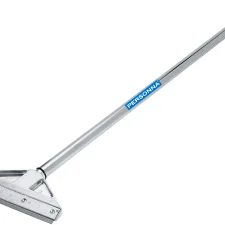
Position yourself comfortably near the edge of the area you intend to start scraping. Hold the floor scraper firmly with both hands, maintaining a stable stance. For handheld scrapers, apply downward pressure while pushing the blade against the surface at a slight angle. For long-handled scrapers or powered scraper machines, follow the manufacturer’s instructions for operating the equipment effectively.

Step 5: Work in Sections

Divide the work area into manageable sections to facilitate thorough and efficient scraping. Start from one corner and work your way across the surface, gradually moving forward as you complete each section. Use a combination of short, controlled strokes and longer passes to effectively loosen and remove the flooring material or residue.

Step 6: Adjust Pressure as Needed

The amount of pressure applied depends on the type of material being removed and the condition of the surface underneath. Adjust the pressure accordingly to avoid damaging the substrate while ensuring efficient removal of the flooring material. Experiment with different pressure levels until you find the optimal balance between effectiveness and surface protection.

Step 7: Remove Debris

Periodically stop scraping to clear away debris and accumulated residue from the scraper blade and work area. Use a broom, vacuum cleaner, or dustpan to collect the debris and dispose of it properly. Keeping the work area clean not only enhances visibility and maneuverability but also prevents debris from interfering with the scraping process.

Step 8: Repeat and Refine

Continue scraping and refining each section until the entire area is thoroughly cleaned and prepped for the next step, whether it’s installing new flooring or applying surface treatments. Take breaks as needed to rest and rehydrate, especially during extended scraping sessions, to maintain focus and avoid fatigue. vist how to use a floor scraper

Step 9: Clean and Maintain the Scraper

After completing the scraping process, clean the scraper blade thoroughly to remove any remaining residue and prevent corrosion. Depending on the type of scraper used, you may need to disassemble and clean the components according to the manufacturer’s instructions. Proper maintenance ensures optimal performance and prolongs the lifespan of your floor scraper.

Step 10: Safety First

Once you’ve finished using the floor scraper, store it safely in a designated area away from children and unauthorized users. Always follow safety guidelines and precautions outlined in the tool’s user manual to prevent accidents and injuries.

By following these steps and practicing proper technique, you can harness the full potential of a floor scraper to achieve professional-quality results in your flooring projects. Remember to prioritize safety, take breaks when needed, and approach each scraping task with patience and precision. With dedication and attention to detail, you’ll become proficient in using a floor scraper like a seasoned expert.

Clean Vs Dirty Engine Oil: Impacts On Performance


When it comes to maintaining your vehicle’s engine, few things are as important as ensuring that the oil is clean and in good condition. Clean engine oil is crucial for optimal performance and longevity of your engine. On the other hand, dirty engine oil can cause a range of negative effects that can ultimately impact your car’s overall performance.

Firstly, let’s start with why clean engine oil is so essential. Your vehicle’s engine relies on oil to lubricate its moving parts and reduce friction between them. Without sufficient lubrication, these parts can grind against each other and wear down over time, potentially causing permanent damage or even total failure. Clean engine oil helps to prevent this by providing a protective layer of lubrication that keeps all the components working together smoothly. As you drive your car, however, contaminants such as dirt, debris, and metal particles can accumulate in the oil and compromise its effectiveness – hence the need for regular maintenance to ensure that it remains clean and effective.

The Importance of Clean Engine Oil

Keeping your car’s lubricant pristine can have numerous benefits, ranging from better fuel efficiency to a longer lifespan for your vehicle. Clean engine oil is essential in ensuring that the internal components of your car are adequately lubricated and protected against wear and tear. Regular maintenance of your engine oil involves changing it at recommended intervals, which ensures that any contaminants or debris are removed before they cause damage to your car’s engine.

Apart from protecting the internal components of your engine, clean oil also helps improve fuel economy by reducing friction between moving parts. When there is less friction, there is less resistance to movement, allowing the engine to work more efficiently with less effort. Proper maintenance of clean oil also means fewer emissions and an overall cleaner environment. Neglecting regular maintenance can lead to negative effects on performance, including reduced power output, clogged filters, and even engine failure.

Negative Effects of Dirty Engine Oil

You’re risking serious damage to your vehicle by neglecting routine oil changes, which can lead to costly repairs and frustrating breakdowns. Dirty engine oil can cause engine wear that can significantly shorten the lifespan of your car’s engine. The contaminants in dirty oil create friction between the moving parts of the engine, causing them to wear down faster than they should. This leads to a drop in overall performance and decreased fuel efficiency.

If left unchanged for too long, dirty engine oil will eventually clog up the system and prevent it from lubricating properly. This lack of lubrication can cause metal components in the engine to rub against each other, leading to increased friction and heat buildup. Over time, this can cause parts like bearings or pistons to seize up entirely – resulting in extensive damage that requires expensive repairs or even an entire replacement of the engine. Don’t let neglecting routine oil changes cost you more than just a few bucks; make sure you keep your car running smoothly by keeping it serviced regularly!

Conclusion

In conclusion, keeping your engine oil clean is crucial for maintaining the performance and longevity of your vehicle. Dirty engine oil can cause a host of negative effects, including reduced fuel efficiency, decreased power output, and increased wear on engine components. It can also lead to expensive repairs and premature engine failure.

To avoid these issues, it’s important to follow the manufacturer’s recommended maintenance schedule for oil changes and use high-quality oil filters. Regularly checking your oil level and quality can catch any potential problems early on before they have a chance to cause significant damage. By taking care of your engine oil, you’ll ensure that your vehicle runs smoothly and efficiently for years to come.

Substrates in Agriculture: Cultivating Growth from the Ground Up


Substrates in Agriculture: Cultivating Growth from the Ground Up

In the world of agriculture, the choice of growing medium can significantly impact crop health and yield. Substrates, also known as growing media or soilless mediums, have become increasingly popular in modern agriculture due to their versatility, consistency, and ability to address various environmental and space constraints. In this article, we’ll explore the role of substrates in agriculture, their types, benefits, and their impact on the future of farming.

 For more information regarding hydroponic plant one can visit our site https://hydroponicglobal.com.au/.

What Are Substrates in Agriculture?

Substrates are materials used to support and nourish plant roots when growing plants in a controlled environment, such as greenhouses, hydroponic systems, or container gardening. Unlike traditional soil, substrates are often soilless and consist of a mixture of organic and/or inorganic components that provide physical support, aeration, and a suitable environment for root development.

Types of Substrates

Several types of substrates are used in agriculture, each with its unique characteristics and suitability for different growing conditions:

1. Peat-based Substrates: These are composed primarily of peat moss and are known for their high water retention capacity. Peat-based substrates are commonly used in horticulture but have raised environmental concerns due to peat extraction’s impact on peatlands.

2. Coir-based Substrates: Coir, derived from coconut husks, is an organic alternative to peat moss. Coir-based substrates are renewable, have good water retention, and are pH-neutral.

3. Vermiculite and Perlite: Vermiculite and perlite are lightweight, inorganic substrates known for their excellent aeration properties. They are often used in seed starting and container gardening.

4. Rockwool: Made from volcanic rock, rockwool is a popular choice in hydroponics. It provides excellent water and air retention and can be custom-tailored for specific crops.

5. Coco Coir: Coco coir, made from coconut fiber, is an increasingly popular substrate due to its sustainability and water retention capacity. It is often used in hydroponic and container gardening systems.

6. Hydroton (Expanded Clay Pebbles): These are lightweight, pH-neutral clay pebbles used in hydroponic and aquaponic systems. They provide good drainage and aeration.

7. Sand and Gravel: In some cases, sand and gravel can be used as substrates, particularly in large-scale outdoor farming and certain hydroponic systems. They provide excellent drainage but may lack nutrients.

Benefits of Using Substrates in Agriculture

The use of substrates in agriculture offers several benefits:

1. Precision Control: Substrates allow growers to have precise control over the growing environment, including water retention, aeration, and nutrient levels.

2. Improved Disease Management: Soilless substrates reduce the risk of soil-borne diseases and pests, leading to healthier crops.

3. Optimized Resource Use: Substrates can improve water and nutrient efficiency, reducing waste and environmental impact.

4. Versatility: Substrates are adaptable to various growing systems, from container gardening to hydroponics and vertical farming.

5. Space Efficiency: Substrates enable agriculture in constrained spaces, such as urban environments or greenhouses.

Applications of Substrates in Agriculture

Substrates find applications in a variety of agricultural practices:

1. Greenhouse Cultivation: Greenhouses often use substrates to maximize control over growing conditions and optimize crop production.

2. Container Gardening: Home gardeners and urban farmers use substrates in containers or raised beds to grow vegetables, herbs, and ornamental plants.

3. Hydroponic Systems: Hydroponic systems rely on substrates to support plant roots while delivering water and nutrients directly to them.

4. Vertical Farming: Substrates play a crucial role in vertical farming systems, enabling crops to be grown in stacked layers without soil.

5. Nursery and Seed Starting: Substrates are commonly used for seed starting in nurseries to provide young plants with optimal conditions for germination and early growth.

Challenges and Considerations

While substrates offer numerous advantages, there are some challenges and considerations:

1. Nutrient Delivery: Substrates may lack essential nutrients, necessitating the addition of fertilizers or nutrient solutions in some cases.

2. Environmental Impact: The choice of substrate materials can have environmental implications. For example, the extraction of peat moss has raised concerns about peatland preservation.

3. pH Management: Monitoring and adjusting the pH of substrates is essential to ensure optimal nutrient uptake by plants.

4. Salinity Buildup: Over time, substrates can accumulate salts, affecting plant health. Regular leaching or flushing may be required.

5. Substrate Composition: The composition and quality of substrates can vary, and growers must choose substrates that match their specific crops and growing conditions.

The Future of Substrates in Agriculture

As the global population grows, and urbanization increases, the demand for efficient and sustainable agriculture practices continues to rise. Substrates are poised to play a crucial role in addressing these challenges by enabling the cultivation of crops in diverse settings, including urban environments, arid regions, and controlled indoor facilities.

Future developments in substrate technology may focus on improving sustainability, enhancing nutrient delivery, and minimizing environmental impact. Researchers are also exploring new materials and innovative designs for substrates to further optimize crop growth and resource efficiency.

In conclusion, substrates have become integral to modern agriculture, offering a versatile and sustainable alternative to traditional soil-based farming. As we navigate the complex challenges of feeding a growing global population while preserving our environment, substrates stand as a testament to human ingenuity in cultivating crops from the ground up, with an eye toward a more sustainable and food-secure future.

Custom Mailer Packaging: Elevating Convenience and Brand Experience


Custom Mailer Packaging: Elevating Convenience and Brand Experience

Mailing boxes has emerged as a versatile and practical solution that combines the benefits of customized branding with the ease of shipping and handling. These personalized mailer packages not only safeguard your products during transit but also offer a unique opportunity to enhance your brand’s visibility and create a memorable unboxing experience. Let’s delve into the essence of custom mailer packaging and how it can elevate convenience and brand experience.

Defining Custom Mailer Packaging

Custom mailer packaging refers to specially designed packaging solutions that are tailored to fit various products and feature personalized branding elements. These packaging options are specifically crafted for shipping and are convenient to assemble and seal, ensuring a hassle-free experience for both the sender and recipient.

The Value of Custom Mailer Packaging

  • Streamlined Shipping: Custom mailer packaging is designed with shipping in mind. Its compact and easy-to-assemble design makes it an efficient choice for shipping a variety of products.
  • Branding at Every Step: These packaging solutions offer ample space for branding elements such as logos, colors, and design patterns. Every package becomes a brand touchpoint, reinforcing your identity with each delivery.
  • Unboxing Experience Enhancement: The unboxing experience is crucial for customer satisfaction. Custom mailer packaging can be designed to create excitement and anticipation as customers unveil their purchases.
  • Cost-Effective Customization: Custom mailer packaging allows for personalized branding without the complexities and costs associated with larger packaging solutions. It’s a cost-effective way to enhance brand visibility.
  • Versatile Applications: Custom mailer packaging can be adapted for various products, from clothing and accessories to small electronics and cosmetics. Its adaptability makes it a versatile choice for different industries.

Designing Custom Mailer Packaging

  • Branding Elements: Incorporate your brand’s logo, colors, and design elements on the packaging. Consistency in branding ensures that your identity remains recognizable.
  • Messaging: Consider adding a personalized thank-you note, discount code, or QR code that leads to exclusive content, enhancing customer engagement.
  • Material and Durability: Choose sturdy materials that protect the contents during shipping. Balancing durability with eco-friendly options can be a thoughtful choice.
  • Ease of Use: Ensure that the packaging is easy to assemble and seal. A user-friendly design contributes to a positive experience for both the sender and recipient. Enhance the convenience and brand experience for your customers with custom mailer packaging, utilizing this Source of Knowledge to explore how tailored packaging solutions can elevate your brand’s appeal and create a memorable unboxing experience.

Conclusion: A Fusion of Convenience and Branding

Custom mailer packaging bridges the gap between efficient shipping and impactful branding. It simplifies the shipping process while offering a platform to showcase your brand’s visual identity. By incorporating branding elements and considering the recipient’s unboxing experience, businesses can create a seamless and memorable journey that leaves a positive and lasting impression. With custom mailer packaging, convenience and brand experience coalesce into a harmonious solution that resonates with both customers and brand objectives.