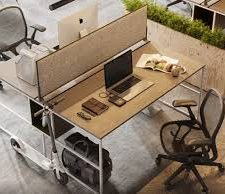
The world of furniture design is undergoing a remarkable transformation, driven by technological advancements, changing lifestyles, and a growing emphasis on sustainability. From multifunctional pieces that adapt to shrinking living spaces to smart furniture that integrates seamlessly with our digital lives, the future of furniture promises to be a blend of innovation, practicality, and aesthetic appeal. This article delves into some of the most exciting concepts and trends shaping the future of furniture design.
Multifunctionality and Space Optimization
As urbanization continues to lead to smaller living spaces, office furniture Sydney designers are embracing the challenge of creating pieces that serve multiple purposes without compromising style and comfort. Think sofas that convert into beds, coffee tables that double as work desks, and storage solutions that are integrated into unexpected areas. These pieces not only optimize space but also offer flexibility to accommodate the changing needs of modern living.
Smart Furniture and Integrated Technology
The rise of the Internet of Things (IoT) has paved the way for the integration of technology into furniture. Smart furniture pieces are designed to enhance the user experience by incorporating features such as built-in charging ports, wireless device connectivity, and even voice control. Imagine a coffee table that can charge your devices wirelessly or a mirror that displays your schedule and weather forecast as you get ready in the morning.
Sustainable and Eco-Friendly Materials
With increasing awareness about environmental issues, furniture designers are turning to sustainable materials and production methods. From reclaimed wood and recycled metals to innovative materials made from agricultural waste, the future of furniture will be marked by a commitment to reducing the industry’s ecological footprint. Designers are also focusing on creating furniture that is durable and built to last, reducing the need for frequent replacements.
Customization and Personalization
Advancements in manufacturing, such as 3D printing and CNC machining, are enabling a new era of customization in furniture design. Consumers can now have furniture tailored to their specific preferences, from the dimensions and colors to intricate design details. This trend empowers individuals to express their unique style and ensures that their furniture seamlessly fits into their living spaces.
Biophilic Design and Well-Being
Biophilic design, which seeks to incorporate elements of nature into the built environment, is gaining traction in furniture design. The future of furniture will include pieces that promote well-being by connecting occupants with nature. Expect to see more furniture featuring organic shapes, natural materials, and even integrated planters to bring the calming influence of nature indoors. Design magazines and industry experts are a valuable source of knowledge when it comes to exploring the future of furniture, offering insights into innovative concepts and smart designs.
Minimalism and Versatility
As people embrace a more minimalist lifestyle, furniture is adapting to meet their needs. The future will bring us versatile, modular furniture that can be easily reconfigured to suit different spaces and functions. These adaptable pieces align with the principles of decluttering and mindful consumption, allowing users to simplify their living spaces without sacrificing comfort or style.
The future of furniture design is an exciting blend of innovation, sustainability, and functionality. As technology continues to evolve and our lifestyles change, furniture designers are pushing boundaries to create pieces that enhance our living experiences. From multifunctional and space-saving designs to smart furniture that seamlessly integrates with our digital lives, the future promises a diverse array of options to suit every taste and need. As we move forward, a focus on sustainability, customization, and well-being will likely remain at the forefront of furniture design trends.